
Does Mosquito Spraying Actually Work?

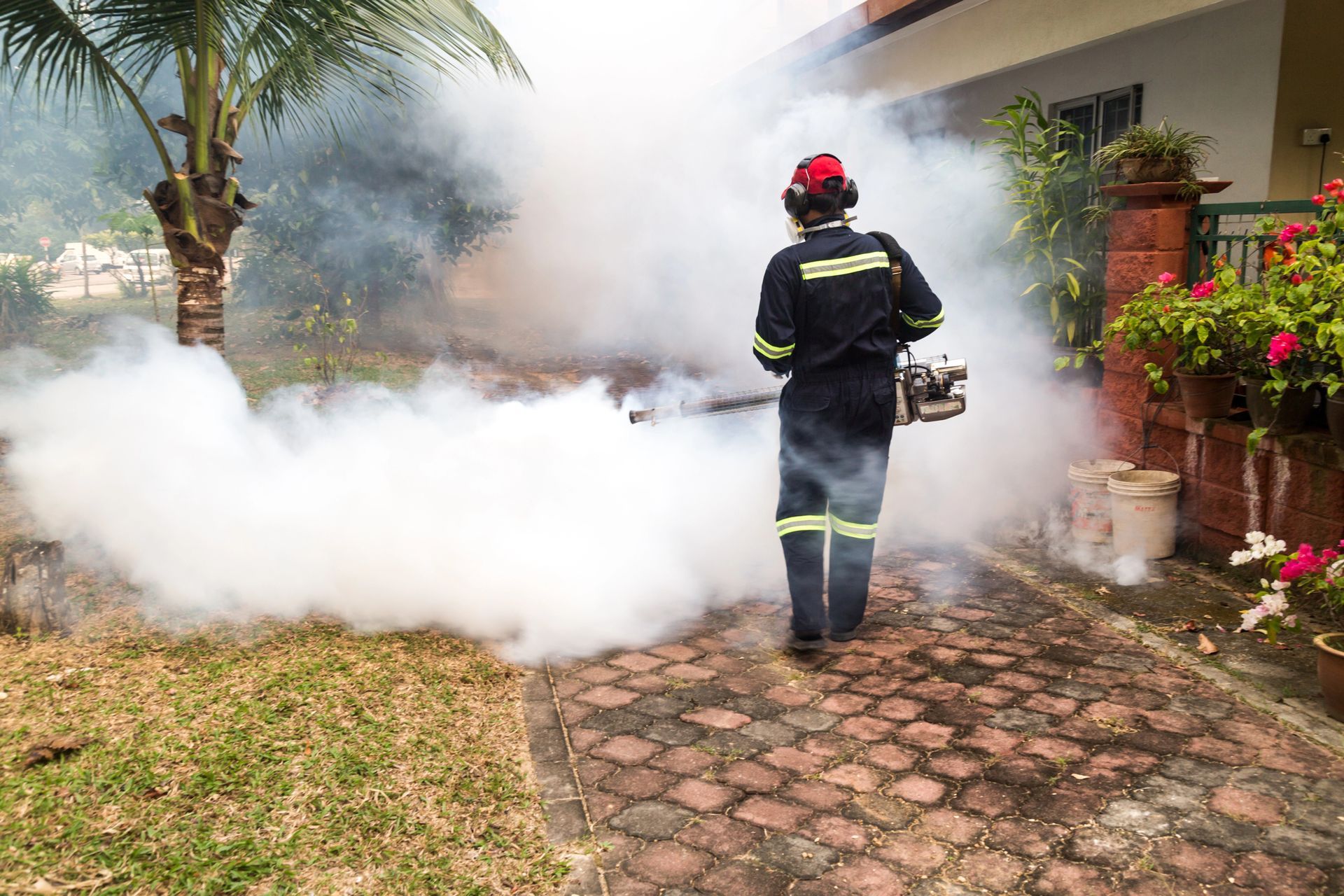
Firefighter using a smoke machine in a residential yard, surrounded by thick white smoke.

The Biggest Mosquito Spraying Myth


The question we hear most often goes something like this: "Mosquitoes fly. They go wherever they want. How can spraying my yard actually make a difference?"


It’s a fair question. The people who ask it are usually imagining a spray that somehow stops every mosquito from entering the yard. That is not how it works.


The goal is to eliminate the population already living in your yard. Because those are the ones biting you.


Where Mosquitoes Actually Live (It's Not the Air)


Mosquitoes spend the vast majority of their time on surfaces, not flying. They rest under leaves, deep inside shrubs, along shaded fence lines, and close to the ground where it is cool and damp. They are cold-blooded, which means they need to conserve energy constantly.


More importantly, they do not just visit your yard. They are born there.


Mosquitoes breed in standing water. A clogged gutter. A low spot in the lawn that holds moisture after irrigation. A bird bath that has not been changed in a week. Each of those is a production site for the next generation of mosquitoes on your property.


The ones biting you now almost certainly grew up within a few metres of where you are standing.


What Professional Mosquito Treatment Actually Does


When we treat a yard, we apply a barrier spray to the surfaces where mosquitoes rest, hide, and breed. That means the undersides of leaves, dense shrubs, shaded ground cover, and the edges of structures where mosquitoes shelter.


The spray disrupts the biology of the population already living in your yard. A follow-up treatment a few weeks later catches the next generation before it matures into adults.


This is not a one-time fix. It is population management. And that distinction matters: the goal is to make your yard progressively less hospitable to mosquitoes over an entire season, not to achieve instant zero-mosquito perfection.


Does Mosquito Spraying Stop New Mosquitoes From Flying In?


Mosquitoes from next door can still cross into your yard. That part is true.


But a mosquito that lands on a recently treated surface does not last long. And the longer you stay on a treatment schedule, the less your yard becomes habitable. The population thins out over a full season in a way that one spray never achieves.


You will not get rid of every mosquito. But the yard you have been avoiding for weeks? You will start using it again.


How Long Does Mosquito Spray Last?


Most treatments hold for three to four weeks. Rain and heavy irrigation can cut that shorter, which is why we come back on a regular schedule through the season.


One treatment helps. Stick with it through the season and by a month you stop noticing the mosquitoes, which is the whole point.


What Utah Homeowners Notice After Treatment


After 10 years treating lawns across Salt Lake and Utah County, the pattern we see is consistent.

Homeowners who start treatment early tend to forget they even have a mosquito problem... The ones who wait are still dealing with it in September. And that’s a bigger problem because the population might be established by then


Most customers notice a difference within two to three weeks of their first treatment.


When enough properties in an area get treated, there are fewer breeding sites and fewer places for mosquitoes to shelter. The whole neighborhood benefits, not just the treated yards.


Is Mosquito Treatment Safe for Children and Pets?


Professional mosquito treatments use pyrethrin-based or synthetic pyrethroid insecticides. These are derived from chrysanthemum flowers and are registered with the EPA for residential use.


Standard protocol: keep children and pets off treated areas until the spray has dried completely, which takes approximately 30 minutes under normal conditions. After that, the yard is safe for normal use.


If you have a fish pond or water feature, let your technician know before treatment so they can plan around it.


When Is the Best Time to Start Mosquito Treatment in Utah?


Early May before peak activity. Getting ahead of the season means you are reducing the population while it is still building, rather than trying to catch up once it is established.


If you have missed May, starting in June makes a difference. A mid-season start slows the existing population and protects the second half of summer, which in Utah typically means July through early September.


One practical note: if your property has drainage issues or spots that hold standing water regularly, addressing those alongside treatment significantly improves the outcome. We can point those out during a visit.


Frequently Asked Questions

  • Does mosquito spraying work?

    Yes. Professional mosquito spraying reduces the mosquito population in your yard by targeting resting and breeding sites -- primarily vegetation, shrubs, and areas near standing water. Most Utah homeowners notice a meaningful reduction within two to three weeks of their first treatment.

  • Why do I still have mosquitoes after spraying?

    Spraying eliminates the population living and breeding in your yard but does not prevent mosquitoes from entering from neighbouring properties. This is why recurring treatment programs outperform one-time applications -- each treatment prevents re-entering mosquitoes from getting established.

  • How long does mosquito spray last in your yard?

    Most professional treatments last three to four weeks. Rain, irrigation, and dense vegetation can shorten that window. Monthly treatments through peak season in Utah (May to September) provide consistent protection.

  • Is professional mosquito treatment safe for children and pets?

    Yes. Professional treatments use EPA-registered pyrethroid insecticides. Keep children and pets off treated areas until the spray is fully dry -- approximately 30 minutes -- then normal use is safe.

  • How often should you spray for mosquitoes?

    Every three to four weeks through peak season. A full-season program starting in May delivers the most noticeable results by mid-summer and sustains them through September.

  • Does mosquito spraying kill eggs?

    Standard barrier spray targets adult mosquitoes and accessible larvae. It does not reach eggs in concealed or dry locations. Follow-up treatments address the next generation as it matures, which is why a recurring schedule is more effective than a single application.

Ready to actually use your backyard again?

Green Grounds has been treating Utah lawns since 2015. If mosquitoes have been keeping you inside this season, let's fix that.


Book online: greengroundsservices.com Call: (801) 900-3808

Mack Daddy Lawn & Pest Logo
February 12, 2026
Green Grounds introduces sister company Mack Daddy Lawn & Pest. For expert lawn care & pest control in Norman, OK. Reliable service, strong local commitment.
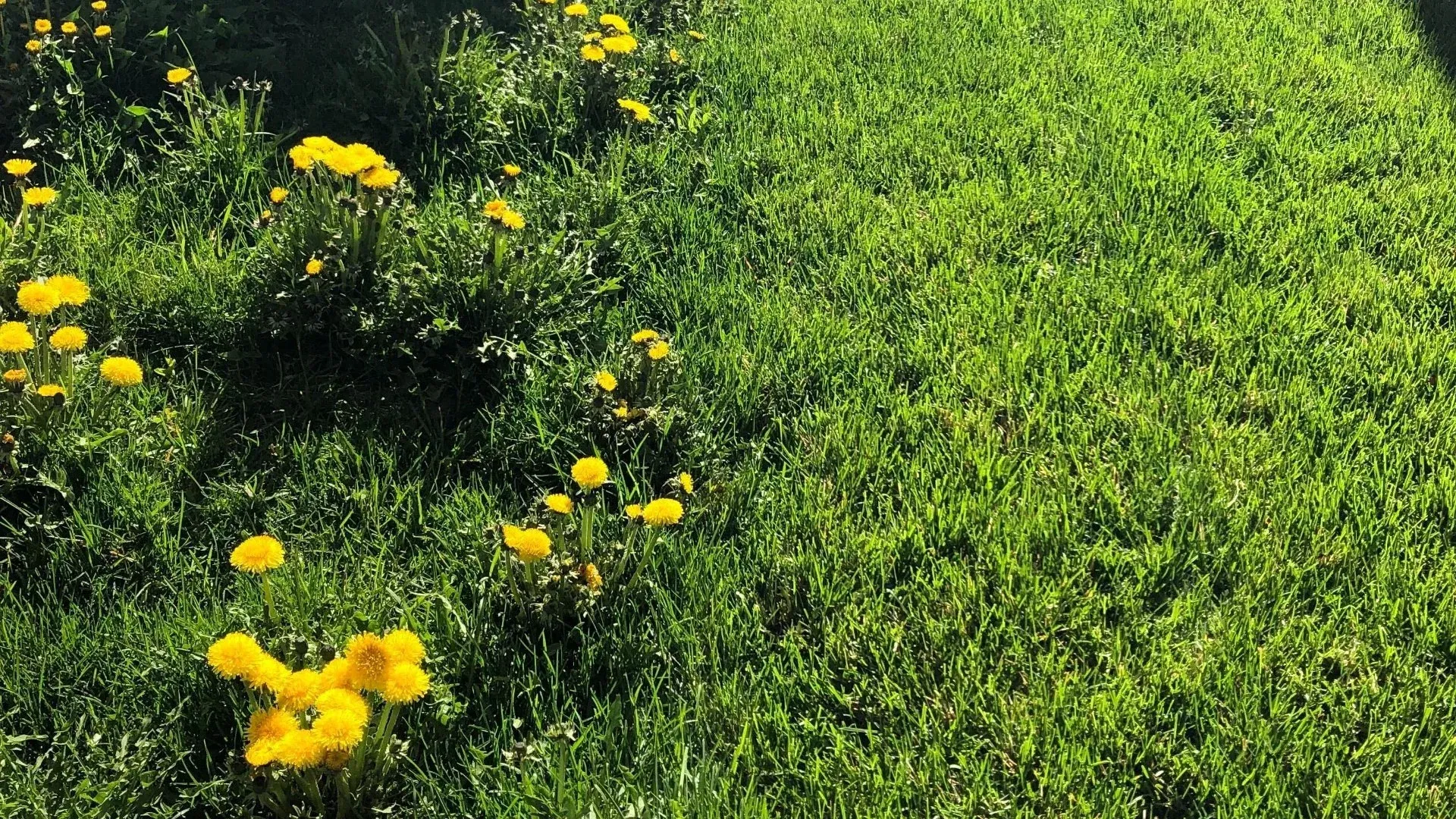
A bunch of yellow flowers are growing in the grass.
March 16, 2025
Here in Utah, weeds can be a big problem for property owners, making it essential to invest in weed control treatments! Without intervention, weeds can swiftly conquer your turf, diminishing its strength and appearance. Neglecting weed control treatments invites the rapid spread of weeds over the growing season, which tarnishes your lawn's beauty.

A lush green lawn with trees and a sidewalk in front of a house.
March 16, 2025
Lawn fertilizer treatments provide your grass in Utah with the nutrients it needs to grow lush and healthy. After applying the treatment on your turf, the rate at which it is absorbed depends on different factors, like the type of fertilizer used and the weather on the day of the application.
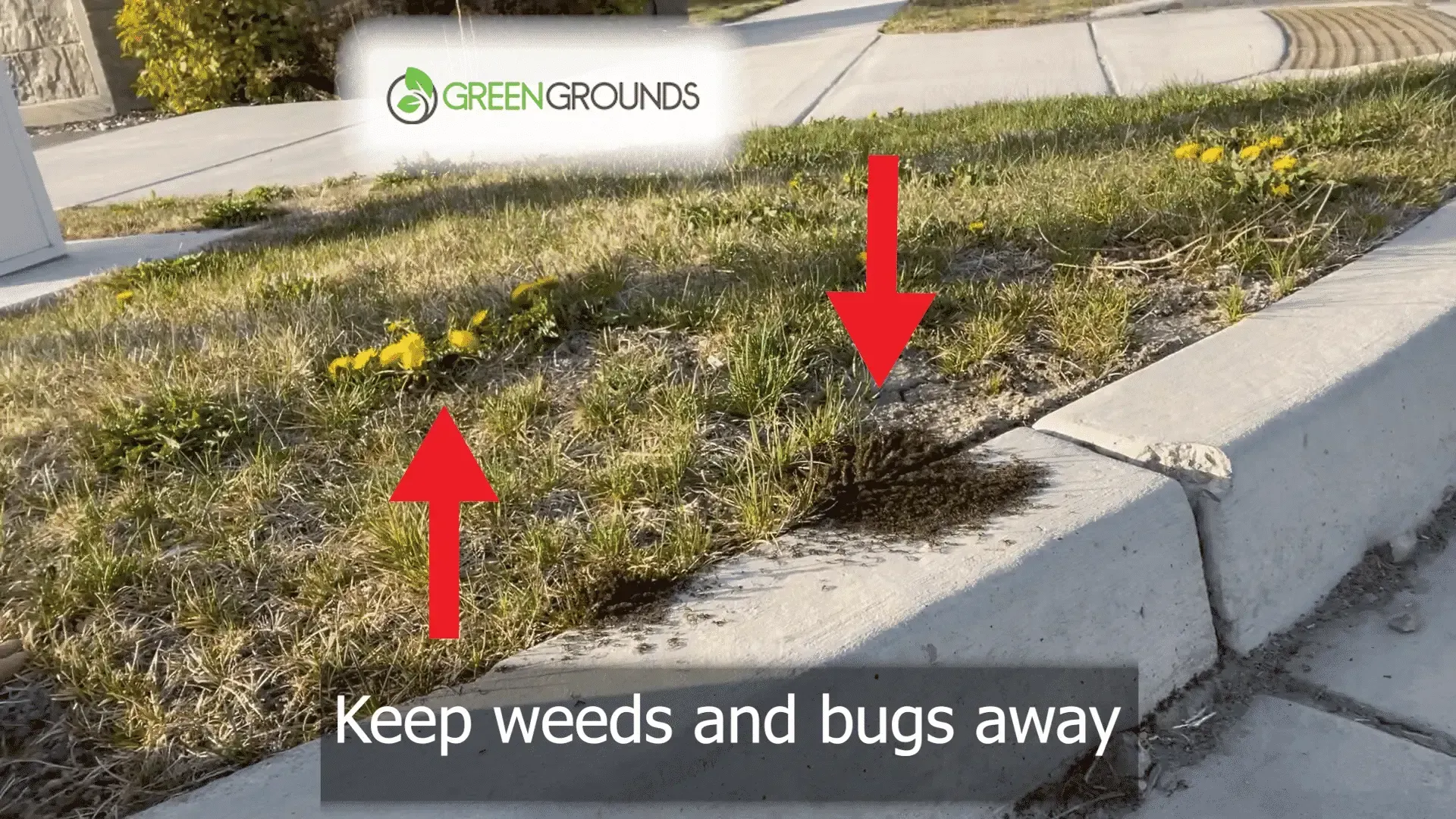
A picture of a lawn with arrows pointing up and down and the words `` keep weeds and bugs away ''.
March 16, 2025
Maintaining a lush, healthy lawn is no small feat, especially in the unique climate of Utah County and Salt Lake County. Fertilization is a key component of lawn care, but it requires expertise to get it right.
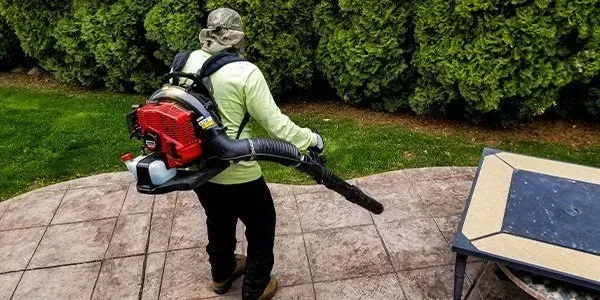
A man is blowing leaves on a patio with a backpack blower.
March 16, 2025
The cost of fertilizer in Utah County and Salt Lake County is a common question among homeowners. Whether you’re considering a DIY approach or hiring a professional, it’s important to know the financial implications of each option.

A close up of a field of green grass with a blurry background.
March 16, 2025
For many homeowners, a green, vibrant lawn is a source of pride. It enhances the beauty of your home and provides a great space for outdoor activities. A lush, green lawn is a joy for homeowners and their pets.
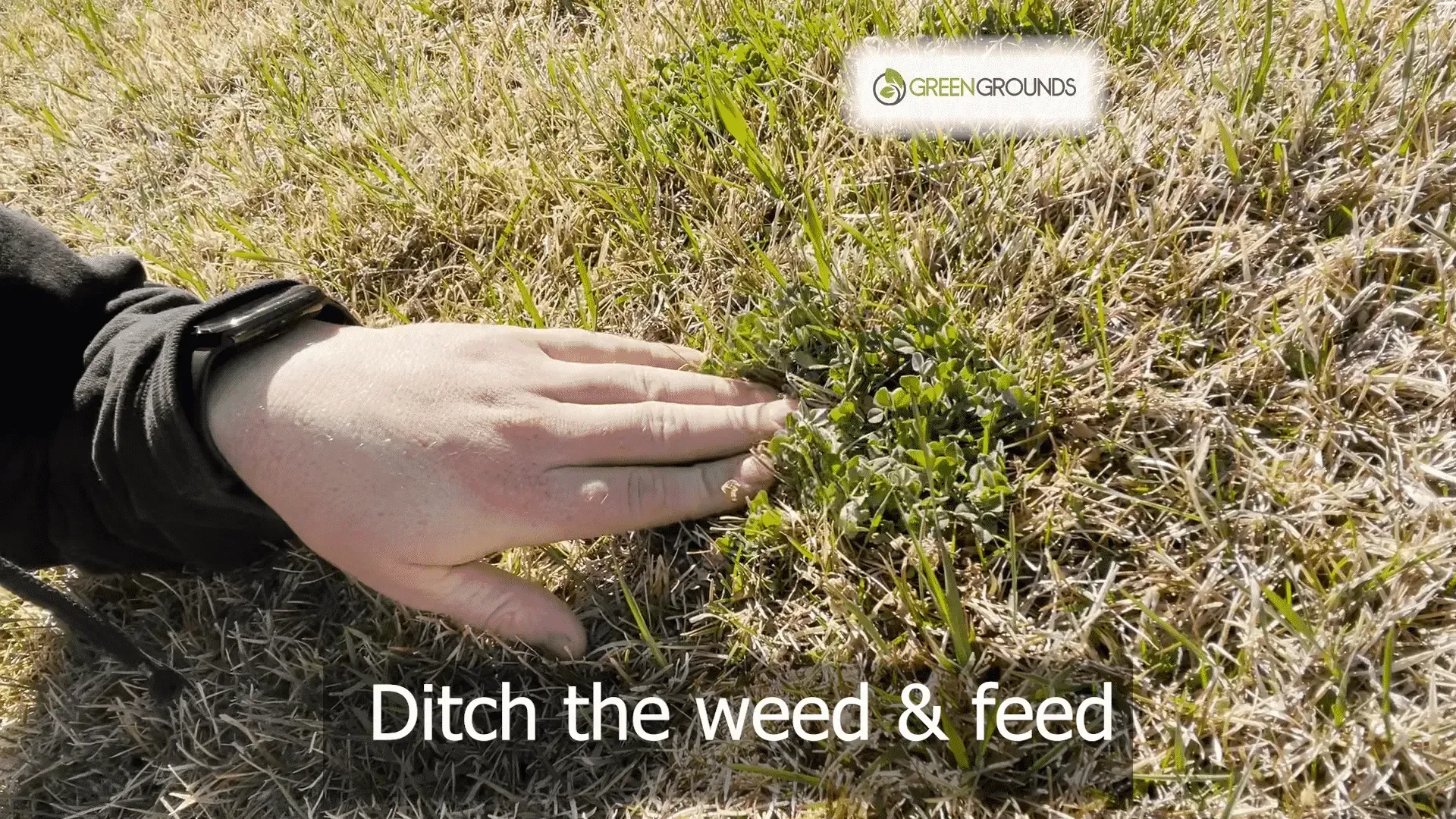
A person is touching a patch of grass with their hand.
March 16, 2025
For many homeowners, a green, vibrant lawn is a source of pride. It enhances the beauty of your home and provides a great space for outdoor activities. While professional lawn care services are available, the DIY route has gained popularity. But is DIY lawn fertilizer the right choice for you?
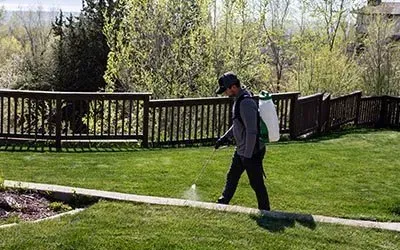
A man is spraying a lawn with a sprayer.
March 16, 2025
Utah’s unique desert climate presents a distinctive set of challenges for maintaining a lush, green lawn. The intense sun, variable temperatures, and limited rainfall create a breeding ground for various types of weeds.
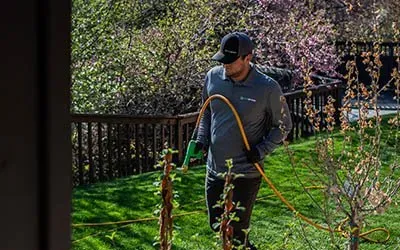
A man is spraying trees in a backyard with a hose.
March 16, 2025
Utilizing manure for lawn care has been a time-honored practice, revered for its natural fertilizing properties. In Utah, where soil conditions and climate can vary, using manure as a lawn fertilizer offers numerous benefits.
A man is spraying a lawn with a hose in a backyard.
March 16, 2025
Let’s tackle how to get rid of dandelions in your yard. These common lawn intruders can be quite a nuisance for homeowners, but with the right strategies, you can reclaim your lawn. This guide will provide you with effective solutions.
Show More